
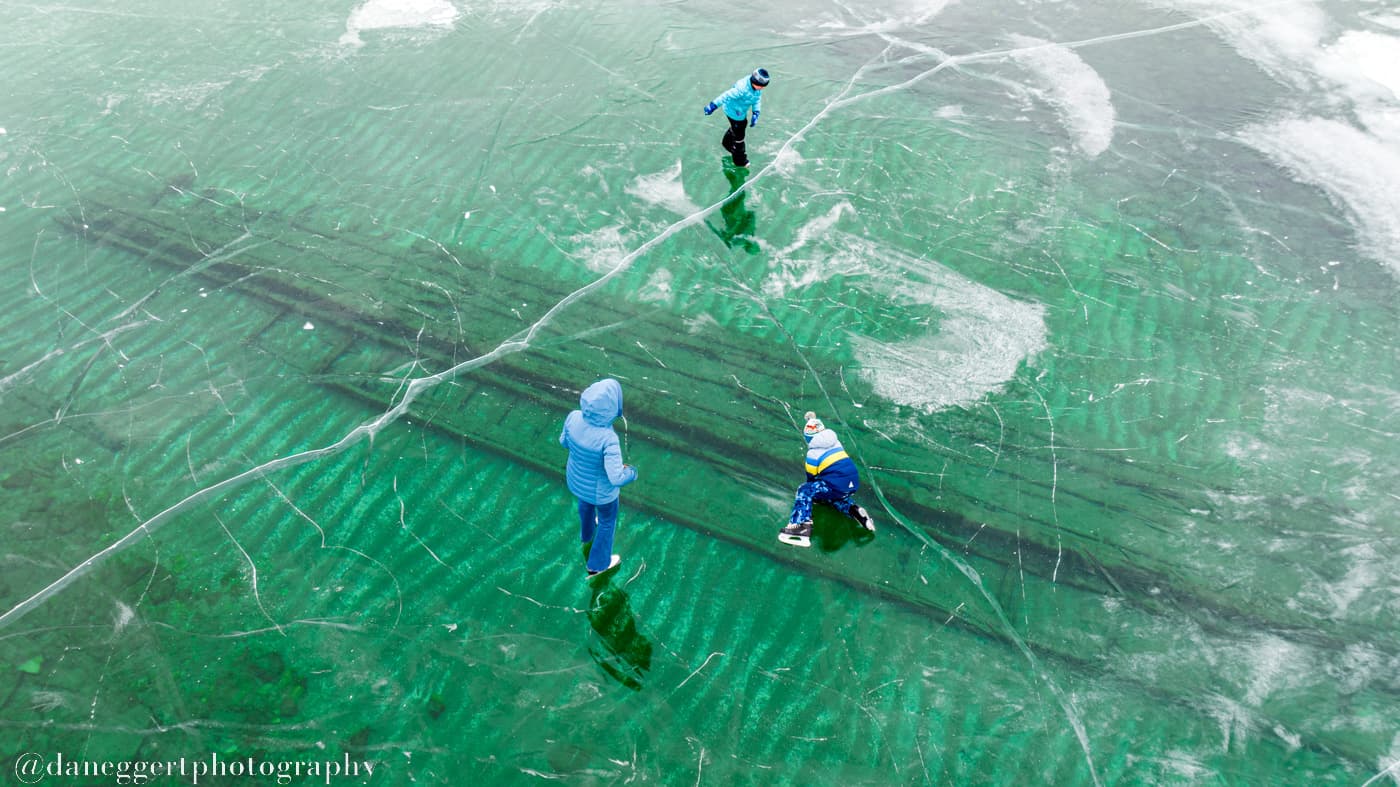
Lake Michigan is a beautiful and capricious temptress. From the shoreline here in Baileys Harbor, it can look like an endless sheet of blue, peaceful and inviting. On a summer morning, you might see kayaks gliding across the water, sailboats catching a gentle breeze, and families enjoying the shoreline.
But the lake has another story to tell. Beneath those beautiful waters lie the remains of hundreds of ships, each with a story of adventure, hard work, unexpected storms, and sometimes heartbreaking loss.
One of the things I love about living and working in Door County is that our history is never far away. You can walk along the beach, visit a lighthouse, or look out across the harbor and imagine what life must have been like here more than a century ago, when wooden schooners and steamships traveled these waters carrying lumber, iron, grain, and other goods.
Door County's waters are home to more than 240 documented shipwrecks. Some are scattered across deep stretches of Lake Michigan, while others rest in surprisingly shallow water, just offshore. And some of those stories happen to be right here in our own backyard!
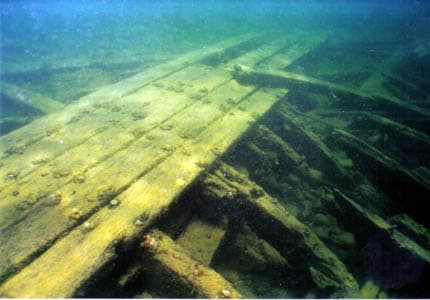
The Christina Nilsson
One of the most fascinating shipwreck stories in Baileys Harbor is that of the Christina Nilsson, a three-masted wooden schooner built in Manitowoc, Wisconsin, in 1871. At 139 feet long, she was an impressive vessel for her time. Named after the famous Swedish opera singer Christina Nilsson, the schooner was built to carry the bulk cargo that helped fuel the growth of communities throughout the Great Lakes.
On October 23, 1884, the Christina Nilsson departed Escanaba, Michigan, carrying approximately 575 tons of pig iron bound for Chicago. The voyage began like many others, but the weather had different plans.
As the schooner traveled south along Door County's eastern shoreline, a powerful storm developed. Snow, gale-force winds, and increasingly rough seas made navigation extremely difficult. When the captain reached the Sturgeon Bay ship canal, conditions were too dangerous to enter and Captain N.A. Hammer made the decision to turn north toward the relative protection of Baileys Harbor.
Unfortunately, the storm pushed the schooner dangerously close to the harbor's outer reef. At approximately 8:30 on the morning of October 24, the Christina Nilsson struck the reef. The vessel hit again, began to founder, and quickly sank in approximately 10 feet of water.
There is a remarkable part of this story that I always appreciate: all eight crew members survived. They abandoned the sinking schooner in a small lifeboat and eventually found refuge ashore. The ship, however, was lost. Salvage crews managed to recover much of the valuable pig iron, but attempts to save the vessel were unsuccessful. Winter storms and accumulating ice continued to break apart the schooner over the following months.
Today, remnants of the Christina Nilsson rest near the old Birdcage Lighthouse at the tip of the harbor’s point. It's incredible to think that a ship with such a dramatic history lies just offshore from the very community we call home.
There is yet one more interesting twist to the Christina Nilsson story. For many years, a nearby shipwreck was mistakenly identified as the Christina Nilsson. That wreck actually belonged to another schooner, the Joseph Cochrane, which sank in 1870. New research by maritime historians and underwater archaeologists helped distinguish the two vessels. The Christina Nilsson was identified at a separate nearby location.
The Joseph Cochrane has since received updated historic recognition, and the discovery gives us an even richer understanding of Baileys Harbor's maritime past. It's a wonderful reminder that history is not always settled. Sometimes, even after more than a century, there are still new discoveries waiting beneath the surface.
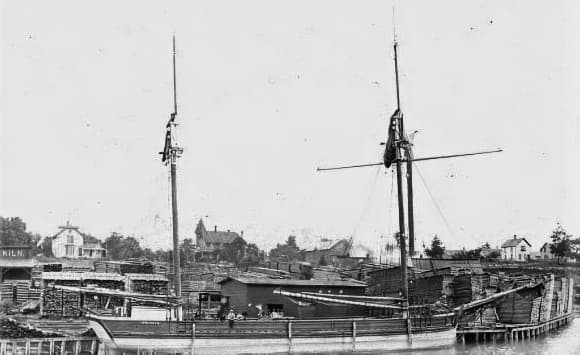
The Peoria
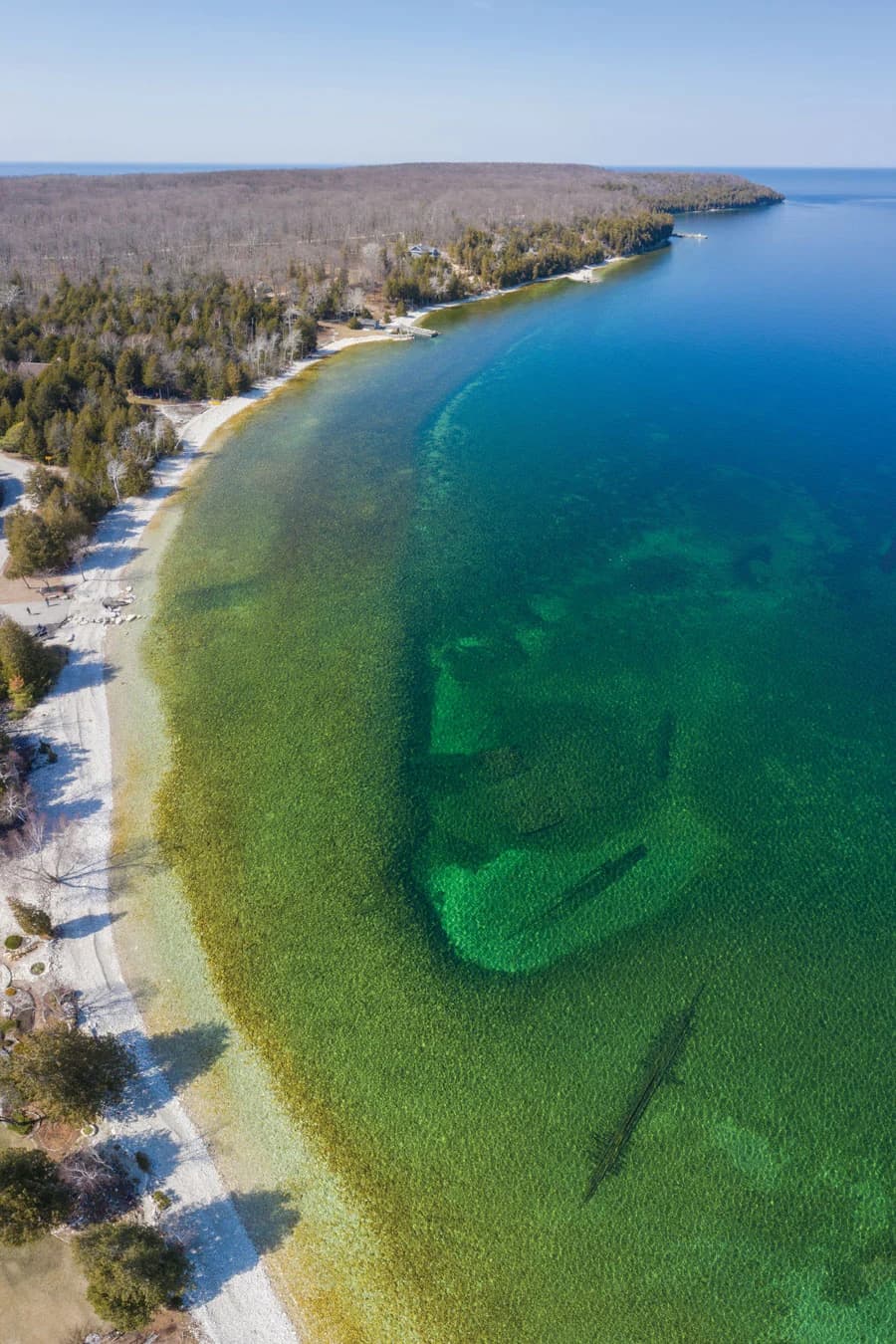
Also lying in the shallow waters of Baileys Harbor is the wreck of the Peoria, an 1854 wooden schooner with a fascinating story. After nearly 50 years of hauling cargo across the Great Lakes, the Peoria met its fate during a fierce storm on November 10, 1901. Seeking shelter in Baileys Harbor, the vessel dragged anchor and ran aground near the famous range lights of Ridges Sanctuary.
Thankfully, all six crew members were rescued, but the hull of the ship broke up and was unable to be recovered. Today, the remarkably preserved shipwreck rests beneath the shifting sands near the harbor entrance, offering a fascinating glimpse into Door County's rich maritime history and the challenges of Great Lakes sailing.
This wreck is literally just a few hundred feet off the shore in front of the Blacksmith Inn. On calm days, it can be viewed from one of our complimentary kayaks or paddleboards!
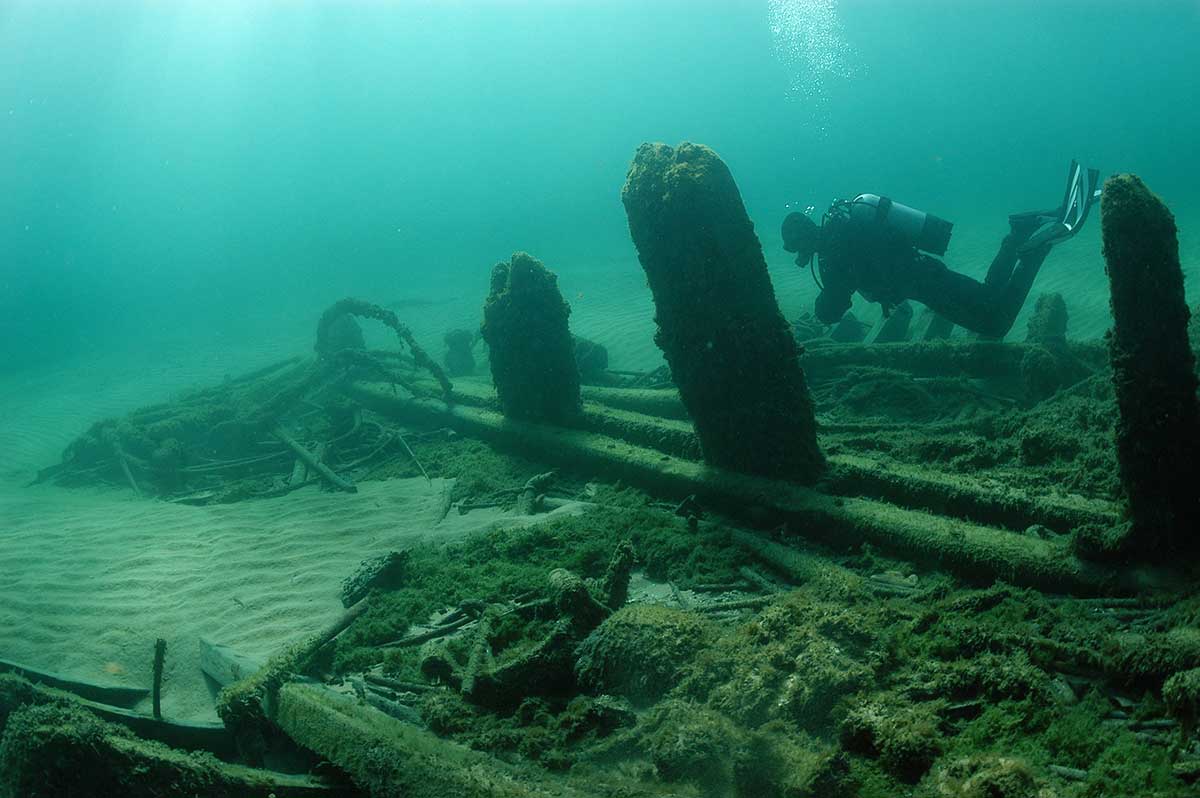
The Australasia
Another memorable Door County shipwreck is the Australasia. Built in 1884, this vessel met its fate in October 1896 when a fire broke out while it was carrying a cargo of coal.
The ship ran aground south of Cave Point, near what is now Whitefish Dunes State Park. Today, the remains rest in approximately 20 feet of water. Because of its shallow location, the wreck is one of the more accessible examples of Door County's underwater maritime history.
Imagine standing along that beautiful stretch of shoreline, watching the waves roll in, and realizing that beneath the water are the remains of a vessel that once carried coal across the Great Lakes.
It certainly gives you a different appreciation for the history of our coastline.
The Lakeland
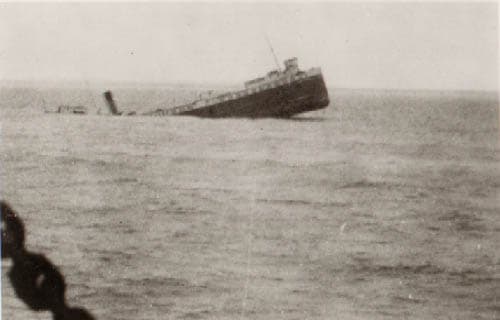
Not all Door County shipwrecks date back to the days of wooden schooners. The Lakeland, a large iron-hulled steamer built in 1887, sank on December 3, 1924.
At the time, the vessel was carrying Nash and Kissel automobiles. Despite relatively calm water conditions, a leak developed in the hull, and the crew was forced to abandon ship.
As the Lakeland sank, it broke in two. Today, it rests in approximately 210 feet of water with automobiles still aboard.
It's a fascinating and somewhat surreal reminder that shipwrecks aren't exclusively stories from the very distant past. Even more modern vessels can fall victim to the unpredictable nature of the Great Lakes.
Why Door County Has So Many Shipwrecks
You might wonder why so many ships met their fate around this relatively small peninsula. The answer has a lot to do with geography and weather.
Door County sits in a particularly important part of the Great Lakes shipping routes. The peninsula, its surrounding islands, and the narrow passages connecting Lake Michigan and Green Bay created busy maritime corridors.
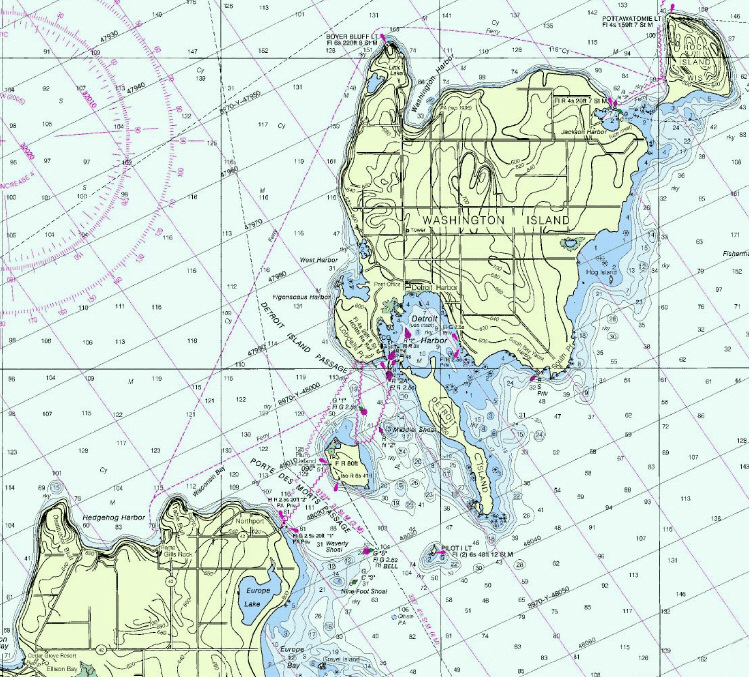
One of the most notorious areas was Death's Door, the passage between the tip of the Door Peninsula and Washington Island. The name alone tells you something about the challenges sailors faced.
Shifting weather, strong currents, hidden reefs, rocky shorelines, and sudden storms made navigating these waters especially difficult. Before modern weather forecasting, GPS, and sophisticated navigation equipment, sailors depended on their experience, charts, lighthouses, and whatever clues nature provided.
Even an experienced captain could find himself in serious trouble when a Great Lakes storm arrived. The shipwrecks that remain today are a testament to both the importance of Great Lakes shipping and the power of the water.
Exploring Door County's Shipwreck History Today
One of the wonderful things about Door County’s waters is that you don't have to be an experienced scuba diver to appreciate this history.
Depending on the location and conditions, some wreck sites can be explored through snorkeling, scuba diving, clear-bottom kayak tours, and sometimes by just walking out on the winter ice! Others are best appreciated through local maritime museums and historical resources.
A few things worth checking out include:
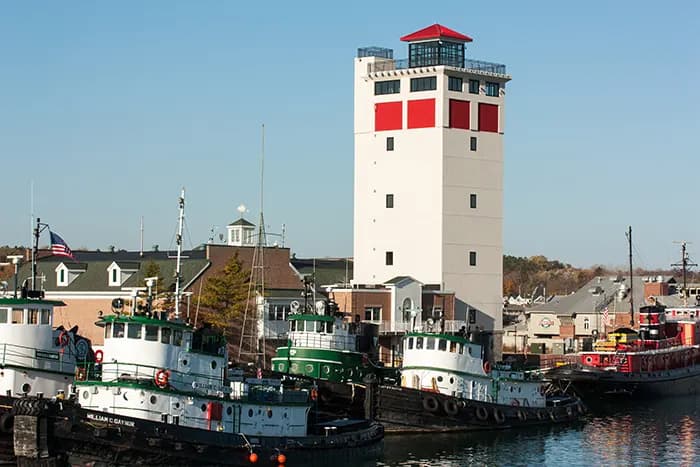
Door County Maritime Museum: With locations in both Sturgeon Bay and Gills Rock, this local institution is a terrific resource for anyone interested in Great Lakes shipping, shipbuilding, lighthouses, and the stories of vessels lost in these waters.
Wisconsin Shipwrecks: An excellent online resource with historical information, maps, and details about individual wreck sites.
Local Shipwreck Tours: There are a wealth of tour guides that can get you out on the water to visit these wreck sites in person.
Come Stay a While and Discover Our History
One of my favorite things about being an innkeeper at the Blacksmith Inn On the Shore is sharing the stories that make Door County more than just a beautiful vacation destination.
Yes, we have gorgeous sunsets, charming villages, wonderful restaurants, and miles of beautiful shoreline. But we also have layers of history that you can discover if you take the time to look a little closer.
The next time you're sitting by the water in Baileys Harbor, perhaps enjoying your morning coffee or watching the sun settle over the lake, think about the ships that once traveled these waters.
Think about the crew of the Christina Nilsson, making their way through a blinding snowstorm in 1884. Imagine the schooners carrying lumber and iron to growing communities, the lighthouse keepers watching for vessels in trouble, and the sailors who knew just how quickly a calm lake could turn dangerous.
Their stories are still here, beneath the waves and along our shoreline, and that's part of what makes Door County such a special place. I hope you'll come visit us at the Blacksmith Inn On the Shore, settle in, enjoy the beauty of Baileys Harbor, and discover a little of the fascinating history that surrounds us.
Until then, happy exploring!
Sam - Innkeeper